Education
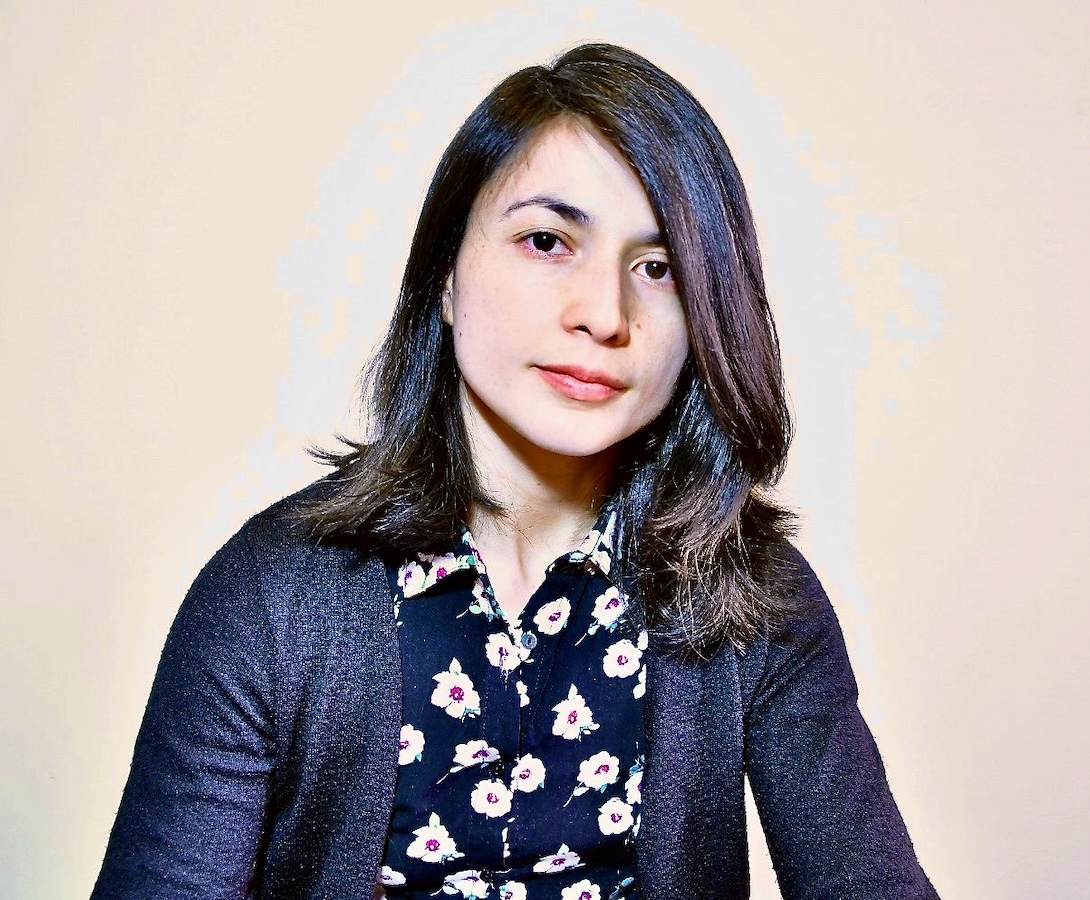
Paola Moreno holds a PhD in Human and Social Sciences from the Universidad Nacional de Colombia. She also holds a Master’s degree in Social Studies of Science and professional degrees in Psychology and Sociology from the same institution.
Research
Her work examines how data practices shape the recognition, measurement, and governance of violence, particularly in contexts where official data systems are incomplete, contested, or systematically exclusionary. She is especially interested in how civil society organizations produce and mobilize data to challenge dominant evidence regimes and make visible forms of violence that tend to be underestimated. Her research is grounded in science and technology studies, focusing on how knowledge is produced, validated, and used in contexts of inequality. Methodologically, she combines ethnography, participatory approaches, and mixed methods, working with organizations dedicated to memory, documentation, and human rights advocacy. Her doctoral research developed a sociomaterial ethnography of the reincorporation of ex-combatants in Colombia, highlighting how objects, infrastructures, and everyday practices shape transitions to civilian life in post-conflict settings. She is currently a postdoctoral researcher at the Pontificia Universidad Católica de Chile, affiliated with the Millennium Nucleus Data Justa, where she leads the project “Infrastructures that Count: Data on Femicide/Femicidio in Chile and Colombia.” Her current work focuses on how data on femicide are produced and used in civil society settings, as well as the ethical implications of these practices for recognition, political advocacy, and justice.
Publications
- Moreno, P. (2025). “Between the Psychological and the Juridical: Sociotechnical Imaginaries in the Debate on Same-Sex Adoption in Colombia.” In S. Rubiano-Galvis (ed.), Knowledge, Technologies, and Law in Latin America. Ediciones Uniandes: Bogotá.
- Moreno, P. (2023). “Careful Reincorporations: Joint Trajectories of Ex-Combatants and Social Collectives toward Civilian Life.” In J.E. Santiago Matías (ed.), Social Welfare and Disputes over the Public and the Commons in Latin America and the Caribbean. CLACSO: Buenos Aires.